
Leading Products For Tennis Court Repairs To Restore Playability
Explore essential tools and materials that ensure durable and effective tennis court repairs for professional and DIY projects.
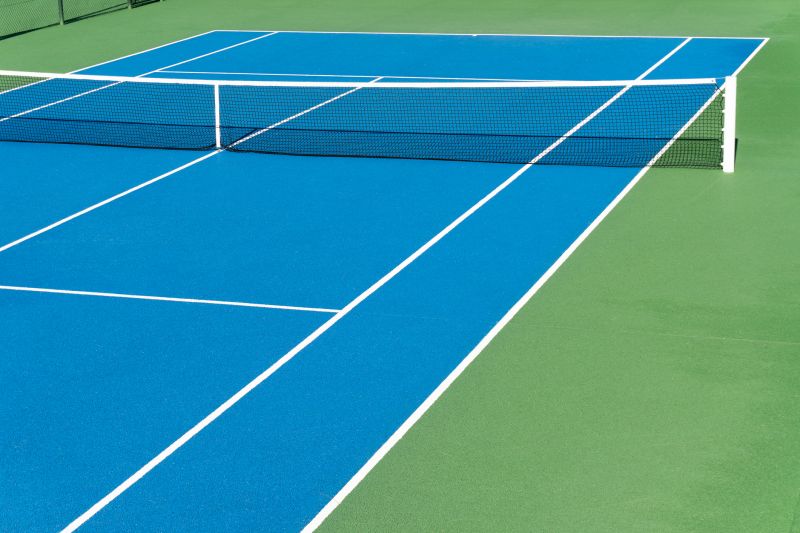 Maintaining and repairing a tennis court requires a selection of specialized products designed to address various surface issues, from cracks to surface wear. Proper repair products help ensure the court remains playable, safe, and visually appealing. When considering repairs, it's important to evaluate the type of surface material, the extent of damage, and the environmental conditions the court is exposed to. Using the right products can extend the lifespan of the court and improve playing conditions.
Top Overall Option
Multi-Purpose Tennis Court Repair Kit
A comprehensive repair kit designed for various surface repairs, including crack filling, patching, and surface sealing. It offers a range of tools and materials that facilitate easy application and durable results, suitable for both amateur and professional maintenance tasks.
Types of Products For Tennis Court Repairs
Crack Filler and Sealant
Materials formulated to fill and seal cracks to prevent further damage and surface deterioration.
Surface Patching Compounds
Specialized compounds used to repair surface imperfections and restore a smooth playing area.
Resurfacing Coatings
Acrylic or polyurethane coatings that renew the court surface and improve traction.
Surface Preparation Tools
Tools such as brushes, rollers, and scrapers to ensure proper surface cleaning and product application.
Drainage Products
Materials designed to improve water runoff and prevent pooling that can damage the surface.
Line Marking Paints
Specialized paints for reapplying or refreshing court lines with precision.
Surface Cleaning Solutions
Cleaning agents formulated to remove dirt, moss, and debris without damaging the surface.
Edge Repair Materials
Products to reinforce and repair the edges of the court, preventing crumbling and erosion.
Weatherproofing Agents
Sealants and coatings that provide protection against weather-related wear and tear.
Popular Choices
Widely used for their durability and ease of application on various court surfaces.
Effective for sealing cracks in concrete courts, helping to maintain surface integrity.
Designed specifically for asphalt courts to fill potholes and surface imperfections.
Popular for refreshing court lines with accurate, long-lasting color.
Used to protect surfaces from water infiltration and weather damage.
Essential for routine maintenance to keep the court surface clean and safe.
Popular choices for improving water runoff and reducing surface pooling.
Applied to rejuvenate worn surfaces and enhance playability.
Help maintain the integrity of court edges and prevent crumbling.
All-in-one solutions for small repairs and surface touch-ups.
Surface repairs often involve patching compounds that adhere well to existing materials, while crack fillers help prevent further deterioration. Resurfacing products, such as acrylic coatings, can restore the court's surface and provide a uniform playing area. Additionally, maintenance tools like rollers and brushes are essential for applying these products evenly and achieving a professional finish. Regular inspections and timely repairs can significantly reduce long-term costs and preserve the court's integrity.
Choosing the appropriate products involves understanding their compatibility with your court's surface type, whether it is asphalt, concrete, or a synthetic material. It's also crucial to select products that are durable and weather-resistant to withstand outdoor conditions. Proper application techniques, along with the right products, will ensure the repairs are effective and long-lasting. Investing in quality repair products and tools can make routine maintenance easier and more efficient, keeping the court in optimal condition for players of all levels.
Key Buying Considerations
- Compatibility with your court surface type (asphalt, concrete, synthetic).
- Extent of damage and whether the product is suitable for minor repairs or extensive resurfacing.
- Weather resistance and durability of the repair materials in outdoor conditions.
- Ease of application, including necessary tools and surface preparation requirements.
- Drying and curing times to plan repair schedules effectively.
- Color matching options for surface coatings and line paints.
- Waterproofing and sealing properties to protect against moisture damage.
- Environmental conditions such as temperature and humidity that may affect application.
- Safety considerations, including non-toxic and low-odor formulations.
- Long-term maintenance needs and compatibility with ongoing upkeep routines.
- Cost-effectiveness and value for money based on project size and scope.
- Availability of replacement parts or additional supplies for future repairs.
- Brand reputation and reviews from other users or professionals.
- Application instructions and technical support provided by the manufacturer.